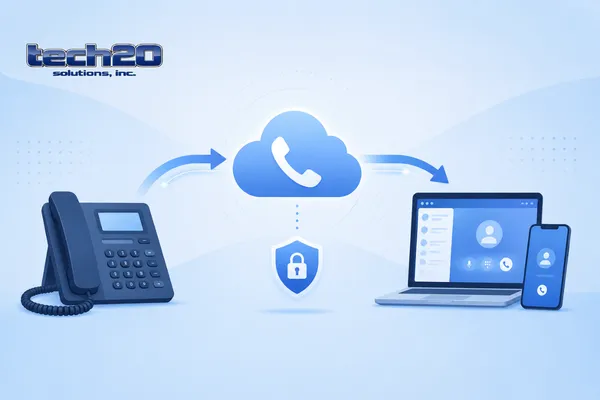
VoIP Number Porting: Keep Your Business Phone Number
One of the common concerns for businesses considering a switch to VoIP is whether they can keep their existing phone numbers. The good news is that most businesses can transfer their current phone numbers to a new VoIP provider through a process called VoIP number porting. This ensures continuity in communication and avoids disruptions that could affect customer relations. Keeping your phone number is not just about convenience—it's about maintaining consistency in your business's identity.
Can Businesses Keep Their Phone Numbers When Switching to VoIP?
Yes, businesses can typically keep their existing phone numbers when switching to a VoIP system. This process, known as number portability, allows your business to retain its established identity without the hassle of notifying clients of a change. With the right provider, transitioning to a VoIP system should be seamless, allowing continued communication without affect.
Key Takeaways
- Businesses can typically keep their phone numbers when switching to VoIP through porting.
- VoIP number porting involves transferring numbers from your current carrier to the new VoIP provider.
- Ensuring minimal disruption during the switch is crucial for maintaining customer communication.
- Consult with your VoIP provider to understand the specifics of number portability for your setup.
- Plan effectively to avoid potential service interruptions during the transition.
Why This Matters for Businesses
Maintaining the same phone number is vital for business continuity. Changing your number can result in missed calls from clients or partners who are not aware of new contact information, potentially harming relationships. Additionally, there are branding implications; your phone number is part of your business's identity. Keeping your current number during a cloud phone migration will help preserve that identity, ensuring your business appears stable and reliable to stakeholders.
What Most Businesses Miss
Many businesses don't realize the importance of planning the transition to VoIP comprehensively. In our experience, a lack of preparation can lead to unexpected challenges, such as downtime during the porting process. It is essential to liaise with both your current and new providers to manage timelines accurately and ensure compatibility on both ends. As an example, if your business relies heavily on phone communication, even a brief disconnection can lead to significant losses.
Where Problems Usually Begin
Problems often start with insufficient communication between the business and the new VoIP provider. Properly managing the documentation and understanding regulatory requirements can prevent delays. Businesses should ensure that all records are in order and that they comply with any legal frameworks related to number portability before starting the process.
How to Plan the Next Step
Successfully transitioning to a VoIP system requires a well-thought-out plan. Begin by consulting with your new VoIP provider to understand the process specifics for VoIP number porting. Schedule the transition during off-peak hours to minimize disruption. Ensure that you have all necessary documentation and approvals ready ahead of time. Consider setting up temporary communication solutions, like redirecting calls, to manage any gaps. Lastly, keep all stakeholders informed throughout the process.
Comparison of Traditional vs. VoIP Number Porting
| Criteria | Traditional Phone | VoIP |
|---|---|---|
| Cost | Typically fixed | Varies, often more cost-effective |
| Reliability | High | High with a good provider |
| Scalability | Limited | Easily scalable |
| Integration | Limited | High, with digital services |
| Deployment Complexity | Can be complex | Simpler with professional guidance |
Practical Checklist for VoIP Transition
- Review your current phone contract to understand termination terms.
- Choose a reliable VoIP provider and confirm their porting capabilities.
- Gather all necessary documentation for the number porting process.
- Schedule the transition during a time when disruption will be minimal.
- Communicate the change to key stakeholders and provide temporary contact solutions if necessary.
- Test the new system extensively before going live to ensure all features work correctly.
- Keep an IT professional on call to handle any unforeseen issues that arise during the transition.
What Tech20 Recommends
At Tech20, we recommend that businesses thoroughly assess their communication needs before making the switch. Engaging in proper planning and working closely with a seasoned provider can streamline VoIP number porting. Using our Nationwide IT Support services can help address any challenges that arise, ensuring a smooth transition to digital communications. For those interested in broader cloud capabilities, our Cloud Solutions are robust options.
Common Mistakes to Avoid
- Failing to notify clients and stakeholders about the impending phone number port.
- Switching providers without proper documentation, leading to delays.
- Overlooking compatibility testing between new systems and existing hardware.
- Ignoring downtime possibilities that might affect business operations.
- Assuming all providers offer the same level of support and service quality.
Frequently Asked Questions
What is VoIP number porting?
VoIP number porting is the process of transferring your existing phone number from one provider to another. It's crucial for businesses that want to maintain their established communication lines without losing their recognized phone numbers.
Is there a cost involved in number porting?
While some providers may offer free porting as part of their service package, others might charge a fee. It's essential to discuss pricing with your new provider to understand the cost implications fully.
How long does number porting take?
The duration of number porting can vary depending on the providers involved and the complexity of the process. Typically, it can take anywhere from a few days to a couple of weeks. Planning ahead is essential to avoid disruptions.
Will there be downtime during the number porting process?
There might be minimal downtime during the transition. However, with careful planning and collaboration with your provider, this can be minimized to avoid significant disruptions in your business operations.
Can all phone numbers be ported to VoIP?
Not all numbers can be ported due to specific regional or carrier restrictions. It's essential to consult with your new VoIP provider to confirm the porting feasibility for your current number.
Considering the Future of Your Business Communication
Understanding the intricacies of number portability can ease the transition to VoIP, allowing businesses to continue operations smoothly. Thoughtful planning, thorough research, and engaging with experienced providers like Tech20 can significantly reduce the challenges involved.
Learn More About Tech 20 Solutions
By choosing Tech 20 Solutions, you'll gain access to seamless support and expert advice on implementing VoIP solutions that fit your unique business needs. If you're ready to discuss how we can help you retain your existing numbers during a transition, Learn more about Tech 20 Solutions.