Prevent Downtime with Network Monitoring for Business
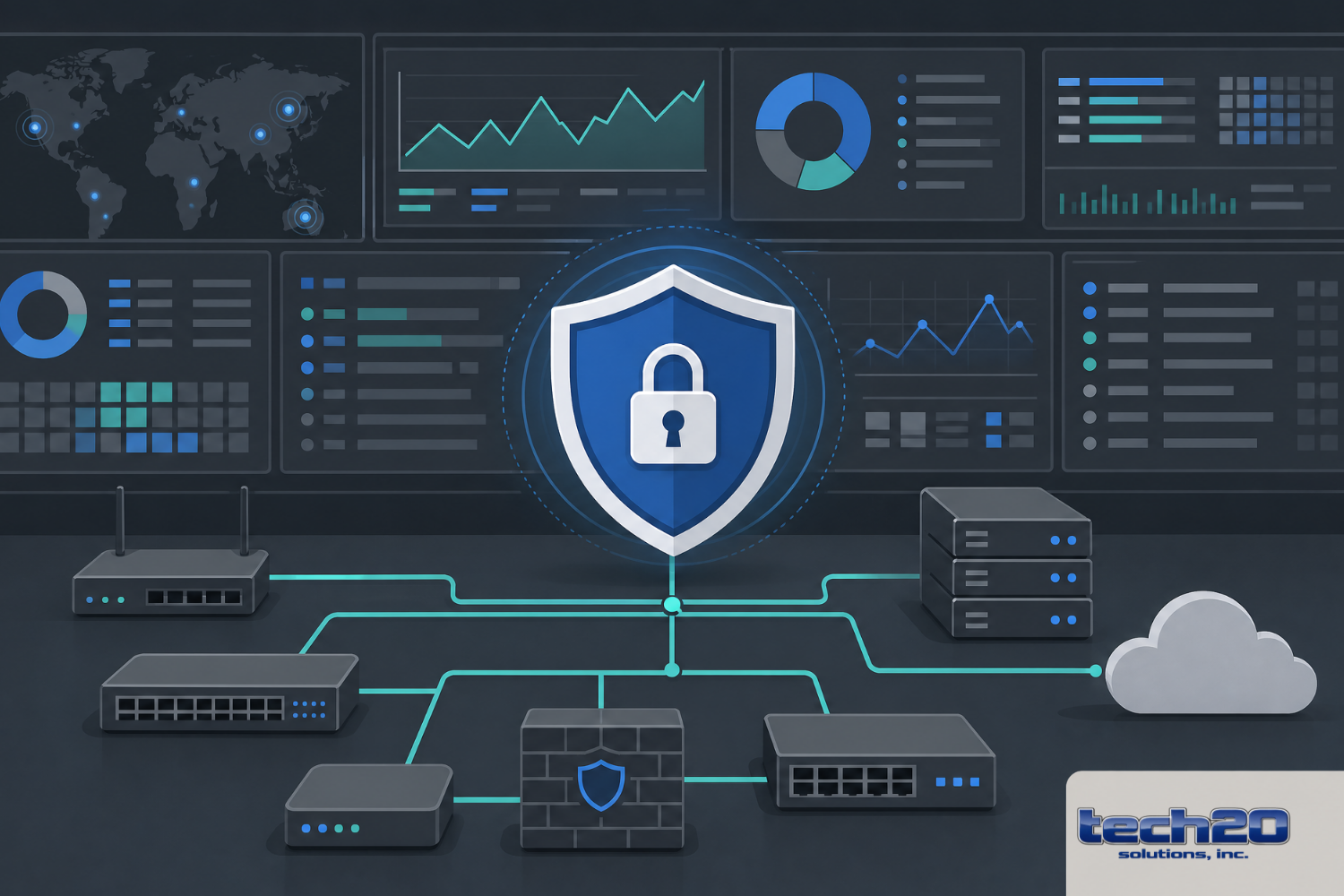
Unexpected outages expose vulnerabilities that many businesses aren't prepared to handle. This is where network monitoring becomes crucial. An effective network monitoring approach not only identifies potential issues before they cause significant disruptions but also ensures that the systems remain operational—making downtime prevention achievable. Network monitoring can indeed forestall downtime by proactively detecting anomalies and triggering alerts well before they escalate into full-blown issues.
Many organizations struggle with this challenge because it requires constant, vigilant oversight that stretches beyond normal operational capability. It's not just about setting up alerts; it's about ongoing analysis and adjustments to manage the dynamic nature of technological infrastructure. Without proper monitoring, minor network issues can spiral into major business disruptions, impacting everything from client communications to operational workflows.
Thoughtful decisions on technology implementation require understanding the business environment first. Tech20 Solutions brings years of experience, offering a vendor-agnostic approach to ensure technology recommendations align with a business's unique goals and infrastructure needs. This proactive monitoring strategy isn't about favoring one product over another; rather, it's about building a robust framework that aligns with operational realities. With the right system in place, businesses can focus more on growth rather than troubleshooting unexpected challenges.
Quick Answer
Yes, monitoring can prevent downtime by identifying issues early and issuing alerts before they disrupt operations. A robust network monitoring setup is essential for business continuity.
Key Takeaways
- Proactive monitoring minimizes disruptions.
- Tailored alerts catch potential issues early.
- Network monitoring supports business continuity.
- Solutions must fit existing infrastructure.
- Routine analysis reduces unexpected outages.
Quick Business Snapshot
| Category | Details |
|---|---|
| Best For | Professional Services |
| Business Size | Small to Medium |
| Primary Benefit | Prevents Downtime |
| Implementation Complexity | Moderate |
| Tech20 Service Fit | Cybersecurity |
| Typical Environment | Office Network |
Who Should Consider This Solution
- Companies opening another location. Network monitoring ensures seamless setup and reliable operations.
- Businesses relying on cloud applications. A robust network supports consistent access to cloud resources.
- Teams supporting remote employees. Monitoring assures connectivity and reduces long-distance troubleshooting.
- Organizations handling sensitive client data. Secure network monitoring minimizes data breach risks.
- Companies expanding their network infrastructure. Scaling requires insight into network performance and potential bottlenecks.
What Changes as Your Business Grows
As your business expands, so does the complexity of your network infrastructure. Growth demands a more refined approach to network monitoring, ensuring that the increased data flow and device connectivity don't overwhelm existing systems. Adopting a scalable monitoring strategy becomes essential, allowing network oversight to evolve alongside the company. This adaptability ensures constant vigilance against potential threats that could otherwise disrupt business operations.
Why This Matters for Your Business
Effective network monitoring isn’t just a technological necessity—it's a strategic business advantage. Proactively managing network health simplifies your team's ability to prevent downtime, optimize bandwidth, and predict future needs. These capabilities collectively support smoother daily operations and long-term growth by minimizing disruptions and enhancing performance. Businesses can focus more on strategic initiatives instead of getting sidetracked by unexpected technical issues.
Where Businesses Usually Get Stuck
Many organizations underestimate the complexity of implementing effective network monitoring. It's easy to assume that setting alerts will suffice, but without comprehensive planning and continuous adjustment, these systems fall short of their potential. Common pitfalls include underestimating the need for expert oversight and failing to integrate monitoring with current IT practices. Recognizing these challenges early ensures a sustainable strategy is in place, reducing operational hiccups down the line.
How This Fits Into Your Technology Strategy
Network monitoring should integrate seamlessly into your overall technology framework, supporting everything from cybersecurity to daily operations. Effective monitoring acts as an early warning system, catching potential security threats or network inefficiencies before they impact your business. Aligning this with existing infrastructure allows businesses to refine their strategies for data management, access control, and technological innovations, driving both efficiency and security.
Planning for Long-Term Growth
Strategic network monitoring plays a pivotal role in facilitating long-term growth. As your business scales, having a dependable system to oversee network health can prevent small issues from becoming significant roadblocks. Preparing for future expansion means making proactive decisions now, ensuring that the technology framework not only supports current needs but is also flexible enough to accommodate changes and innovation over time.
A Practical Example
A mid-sized U.S. company planning to expand its operations by opening a new branch faces an operational challenge in transferring its existing network setup to support increased data flow and employee connectivity across locations. By implementing Tech20 Solutions' Cybersecurity services, the company can ensure robust network monitoring that flags issues before they escalate, maintaining operational continuity as the business grows.
Practical Checklist
- Assess current network capacity and future needs.
- Select a comprehensive network monitoring solution.
- Test monitoring tools for alert accuracy and timeliness.
- Integrate monitoring with existing IT practices.
- Regularly review system performance reports.
- Schedule periodic audits of network security measures.
- Ensure scalability to adapt to business growth.
- Train staff on interpreting alerts and taking corrective actions.
What Tech20 Solutions Recommends
Begin by identifying your core network priorities, considering both current needs and future scalability. Balance this with a realistic assessment of existing infrastructure capabilities. Tech20 Solutions advises focusing on creating a robust monitoring framework that aligns with operational goals. This approach allows businesses to stay agile, efficiently handle growth, and quickly address potential disruptions. Leveraging a vendor-agnostic approach ensures the chosen solutions integrate seamlessly with your setup, offering sustainable enhancements to your network’s resilience and security.
Common Mistakes to Avoid
- Overlooking the need for scalability. Make sure your monitoring solution can grow with your business.
- Neglecting ongoing system evaluations. Regularly review your setup to ensure it meets evolving needs.
- Inefficient integration with existing IT frameworks. Seamless integration is crucial for effective monitoring.
- Ignoring staff training. Equip your team with the necessary skills to handle alerts and deployments effectively.
Frequently Asked Questions
How does network monitoring help in preventing downtime?
Network monitoring identifies issues early, providing alerts that allow for timely interventions, which is key to preventing downtime.
What is proactive monitoring?
Proactive monitoring involves continuous oversight to identify and resolve potential problems before they affect operations.
How do alerts work in a monitoring system?
Alerts notify administrators of irregularities, enabling prompt responses to prevent network issues from escalating.
Why is a vendor-agnostic approach important in network monitoring?
A vendor-agnostic approach allows for flexible solution choices that best meet specific business requirements without vendor bias.
What factors should be considered when choosing a network monitoring tool?
Consider integration capability, scalability, real-time alert features, and how well the tool aligns with your business infrastructure.
Examine Future Network Prospects
Network monitoring isn't a one-time setup; it's an essential component of continuous business optimization. Making network monitoring a strategic priority not only safeguards current operations but also lays down a solid foundation for future innovations. This ongoing vigilance ensures that your business infrastructure is ready to meet tomorrow's demands as effectively as today's.
Why Trust Tech20 Solutions
- Nationwide business technology consulting
- Vendor-agnostic recommendations
- Smart Hands field services
- Broad expertise in Cybersecurity
- Cloud solutions consultation
- Business automation strategies
Explore How Network Monitoring Could Benefit You
At Tech20 Solutions, the focus is on helping businesses evaluate and implement network monitoring solutions that align with their specific goals, budgets, and long-term strategies. Our vendor-agnostic consulting approach ensures you receive advice tailored to your needs, fostering efficiency in your operations. Strengthen Your Cybersecurity.