Cloud Migration Business: Why Companies Move to the Cloud
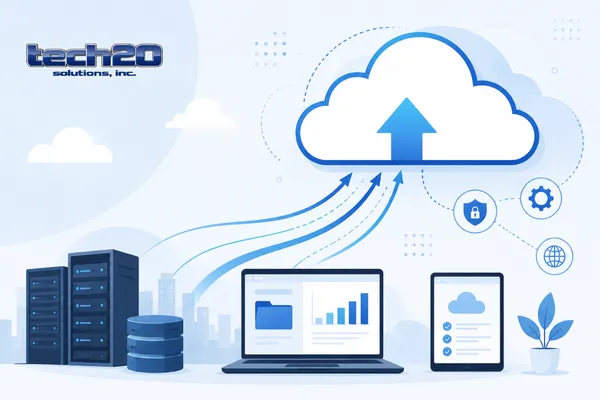
Many businesses are migrating to cloud services because they offer flexibility, cost-efficiency, and scalability that traditional on-premise solutions simply can't match. The transition to cloud infrastructure can beef up data security, improve collaboration, and reduce IT overhead, making cloud migration business an attractive prospect for professional services looking to stay competitive. Understanding why this move is essential helps businesses navigate this digital transformation smoothly.
Quick Answer
Companies migrate to cloud services to gain access to scalable resources, cost savings, enhanced collaboration, and improved security. The cloud also offers the flexibility to quickly adapt to changing business needs.
Key Takeaways
- Cloud migration enhances business flexibility.
- Reduces costs associated with hardware maintenance.
- Improves collaboration across global teams.
- Strengthens data security and compliance.
- Scales resources in line with business growth.
Quick Business Snapshot
| Criteria | Details |
|---|---|
| Best For | Professional Services |
| Business Size | Small to Large |
| Primary Benefit | Scalability |
| Implementation Complexity | Medium |
| Common Use Case | Data Storage |
| Tech20 Service Fit | Cloud Solutions |
| Typical Environment | Glass Tower Reflection |
Who Should Consider This Solution
- Small to Medium Businesses: Cloud migration allows scalability and flexibility without significant capital investment.
- Startups: Great for those needing quick deployment and flexibility to adapt their technology stack.
- Tech-Savvy Enterprises: Ideal for businesses ready to integrate AI and automation into their operations.
- Remote Workforces: Facilitates seamless collaboration among distributed teams.
- Security-Conscious Organizations: Offers improved security measures over traditional infrastructure.
Why This Matters for Businesses
Cloud migration is crucial for businesses aiming to remain agile and competitive. Migrating to the cloud permits companies to scale IT resources according to demand, sidestepping the need for costly physical infrastructure. This elasticity is particularly beneficial for professional services that experience variable workloads and wish to allocate resources efficiently based on client requirements.
What Most Companies Miss
Many businesses don’t realize the importance of preparing a comprehensive migration strategy before making the shift to the cloud. A well-thought-out plan ensures that cloud objectives align with overall business goals and minimizes disruption during the transition.
Which Solution Makes Sense
Microsoft 365 is a popular choice for those considering cloud migration, offering a suite of integrated solutions that support collaboration, security, and productivity. Its cloud-based applications provide a seamless user experience across devices, making it a comprehensive solution for businesses of all sizes.
Where Problems Usually Begin
Challenges in cloud migration typically start with underestimating the complexity of data migration. A detailed audit of existing systems and data is essential in mapping the migration accurately, which saves time and resources in the longer term.
Hypothetical Business Scenario
Imagine a growing accounting firm in the U.S. needing to handle increasing client data while ensuring compliance with regulatory standards. By leveraging Tech 20’s Cloud Solutions, the firm transitions its operations to the cloud, enhancing data management capabilities and boosting client satisfaction through improved service delivery.
Comparison Table
| Criteria | On-Premise | Cloud |
|---|---|---|
| Initial Cost | High | Low |
| Scalability | Limited | Flexible |
| Maintenance | Complex | Simplified |
| Security | In-House | Cybersecurity |
| Remote Access | Limited | Anywhere |
Practical Checklist
- Conduct a comprehensive data audit.
- Choose the right cloud provider and service.
- Develop a detailed migration plan.
- Test cloud applications pre-migration.
- Plan for data backup and recovery.
- Train staff on new cloud systems.
- Monitor and adjust settings post-migration.
What Tech 20 Solutions Recommends
At Tech 20 Solutions, we recommend starting small by migrating non-critical applications to the cloud first. This "crawl-walk-run" approach allows you to understand how cloud solutions like Microsoft 365 integrate with existing systems and processes without risking primary operations. Taking this approach can optimize your cloud infrastructure over time, making adjustments as your business learns and grows.
Common Mistakes to Avoid
- Skipping the Planning Phase: Jumping straight into migration can lead to data loss or downtime.
- Ignoring Security Needs: Overlooking cybersecurity can expose your business to vulnerabilities.
- Underestimating Costs: Not accounting for training, adaptation, and hidden cloud service costs.
- Lack of Vendor Research: Partnering with an unsuitable provider can complicate operations.
- Not Engaging Stakeholders: Failing to involve team leads can result in resistance and misalignment.
Frequently Asked Questions
What is cloud migration?
Cloud migration involves moving your business's data, applications, and operations from on-premise servers to cloud-based platforms.
How does cloud migration reduce costs?
Cloud migration reduces costs by eliminating the need for physical infrastructure and offering pay-as-you-go service models.
Can cloud migration improve collaboration?
Yes, cloud migration enhances collaboration by providing remote access and real-time document and data sharing capabilities.
Is cloud migration secure?
With appropriate safeguards and working with a trusted provider, cloud migration can enhance your overall security posture.
Which companies should avoid cloud migration?
Companies heavily reliant on legacy technologies that lack compatibility with cloud solutions may face migration challenges.
Assess Your Business Technology Needs with Tech 20 Solutions
At Tech 20 Solutions, our expertise in cloud solutions helps businesses assess their readiness for cloud migration. Our team guides you through selecting the appropriate cloud strategies tailored to your unique operational needs. Learn more about Tech 20 Solutions today.