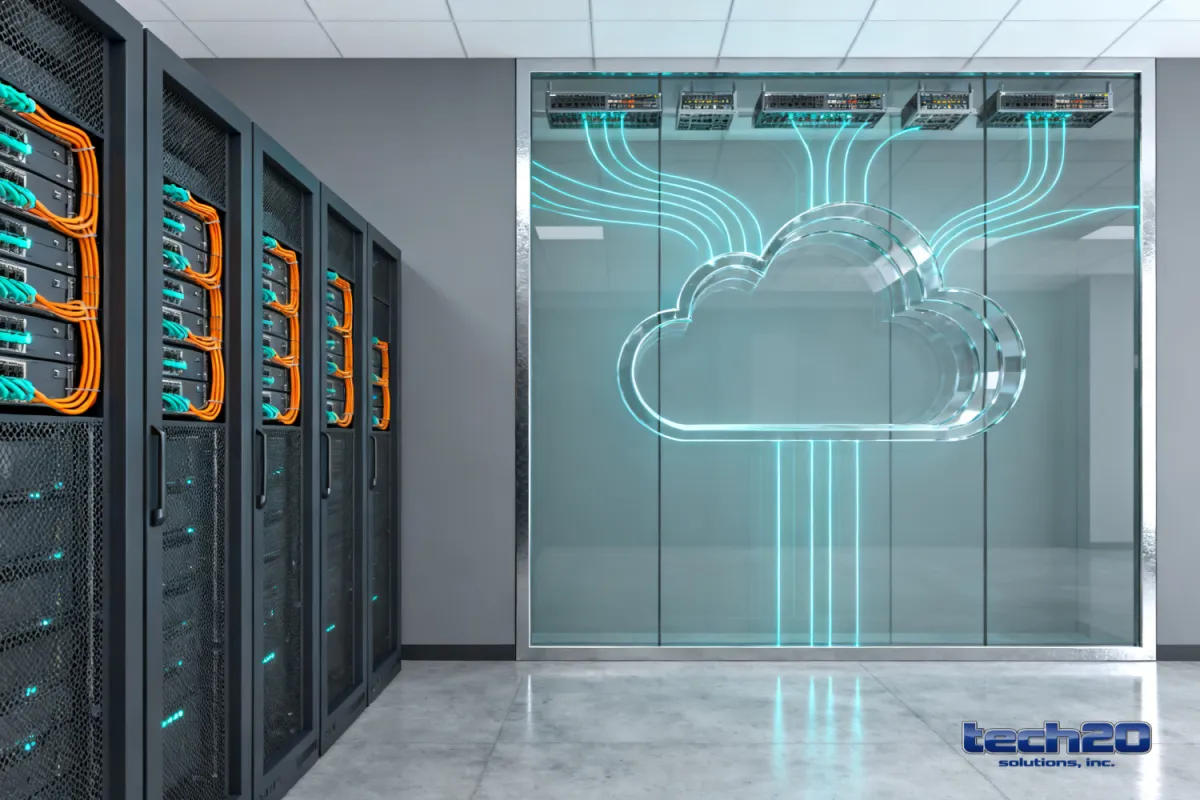
Cloud Infrastructure vs Local Servers: Make a Smarter Choice
As businesses expand and adapt, the question of whether to invest in cloud infrastructure or maintain local servers invariably surfaces. Unexpected outages can expose the vulnerabilities of on-premises systems, while cloud solutions promise scalability and flexibility. The central question for decision-makers remains: should businesses keep servers onsite or move to the cloud? Understanding the operational distinctions between cloud infrastructure versus local servers is the first step toward informed decisions.
Often, businesses find themselves navigating this decision without fully appreciating its implications on daily operations. Concerns about data security, latency, and cost management can obscure the potential benefits of cloud migration. It's essential to evaluate how these choices align with your company's goals, existing infrastructure, and technological readiness.
Aligning technology with business strategies is crucial. Cloud Solutions can transform operations, allowing businesses to focus on core functions rather than IT maintenance. Tech20 Solutions, with its vendor-agnostic approach and comprehensive Cybersecurity offerings, supports businesses in making technology decisions that promote growth while mitigating risks. Keep future scalability needs in mind as you weigh your options today.
Quick Answer
Businesses need to decide if cloud capabilities match their requirements for scalability, cost efficiency, and operational agility, while local servers may be a better fit for those prioritizing control and on-premises data storage.
Key Takeaways
- Evaluate both your current and future business needs before deciding.
- Consider security and compliance requirements when choosing infrastructure.
- Analyze cost implications of initial investment and ongoing expenses.
- Understand the scalability requirements your business anticipates.
- Review existing IT infrastructure readiness for cloud adoption.
Quick Business Snapshot
| Category | Details |
|---|---|
| Best For | Scalable operations |
| Business Size | SMEs to Enterprises |
| Primary Benefit | Operational flexibility |
| Implementation Complexity | Varied by scale |
| Tech20 Service Fit | Cloud Solutions |
| Typical Environment | Digital transformation |
Who Should Consider This Solution
- Businesses facing rapid growth: Cloud solutions offer scalability without the need for extensive physical infrastructure.
- Organizations prioritizing data security: Onsite servers provide comprehensive control over data management.
- Companies embracing remote work: Cloud infrastructures support seamless access for distributed teams.
- Tech-heavy startups: Easier access to cutting-edge technology without significant initial investment.
- Businesses with fluctuating workloads: Cloud solutions offer flexibility to scale resources up or down as needed.
What Changes as Your Business Grows
As businesses grow, the demands on their IT infrastructure also increase. While local servers provide a controlled environment, they may become a bottleneck in terms of scalability and flexibility. Cloud solutions step in here, offering resources that can be easily scaled and adapted to rapid changes. Business decision-makers should examine the growth trajectory and consider if local servers can keep pace or if cloud infrastructure offers the operational agility they will need.
Where Businesses Usually Get Stuck
When navigating cloud migration, security concerns and data management questions tend to create the most friction. The shift from local servers to the cloud involves leveraging external storage and computing power, which raises questions about data privacy and control. Decision-makers must balance these factors against the advantages of enhanced collaboration and accessibility that the cloud offers. Expert consultation can help businesses address these concerns effectively.
How This Fits Into Your Technology Strategy
Integrating cloud solutions into your technology strategy involves more than just transferring data. It requires a holistic evaluation of how cloud infrastructure complements your business objectives. Key considerations include your focus on operational efficiency, technological innovation, and security requirements. A balanced strategy ensures that cloud initiatives serve as more than just a cost-saving measure but as a driver of business transformation.
The Tradeoffs Most Businesses Overlook
Choosing between cloud infrastructure and local servers demands attention to costs, data control, and future-proofing. Local servers might offer greater oversight but could escalate maintenance expenses. In contrast, cloud solutions reduce the need for physical equipment but can have variable costs based on usage. Business leaders must weigh these tradeoffs to ensure the decision aligns with both current requirements and long-term goals.
A Realistic Business Scenario
A growing retail chain planning to expand its online store capabilities faces increasing traffic and evolving customer needs, and the retailer's existing local servers are reaching their capacity. By opting for a cloud infrastructure, the business gains access to scalable resources, enhancing their ability to manage peak shopping periods without significant upfront investment in hardware. Working with Tech20 Solutions helps ensure that these cloud resources are implemented effectively, blending flexibility with practical support.
Comparison Table
| Criteria | Cloud Infrastructure | Local Servers |
|---|---|---|
| Scalability | High | Limited |
| Initial Costs | Variable | High |
| Security Control | Moderate | High |
| Infrastructure Maintenance | Low | High |
| Access Flexibility | High | Limited |
Practical Checklist
- Assess your current IT infrastructure and future needs.
- Define security requirements and compliance standards.
- Evaluate the budget for upfront and ongoing costs.
- Analyze cloud providers’ reliability and support services.
- Consult with experts to align decisions with business goals.
- Create a migration plan if opting for the cloud.
- Test the new system for performance and compliance.
- Monitor and adjust based on ongoing business needs.
What Tech20 Solutions Recommends
Consider your organization's unique demands before settling on either cloud infrastructure or local servers. Begin by thoroughly evaluating your current operations, long-term growth plans, and security requirements. Tech20 Solutions advises crafting a detailed technology roadmap that reflects these factors, ensuring that your chosen solution integrates seamlessly with your business strategies. Our vendor-agnostic approach means we prioritize your objectives above product allegiance.
Common Mistakes to Avoid
- Overlooking long-term scalability needs: Ensure the chosen infrastructure supports future growth.
- Ignoring data security requirements: Adapt solutions to meet industry regulations and data privacy laws.
- Underestimating cloud cost variability: Monitor usage and adjust plans to avoid budget overruns.
- Skipping thorough migration planning: Detailed planning ensures smooth transitions and minimizes disruptions.
- Neglecting backup strategies: Regular backups in both environments secure data integrity.
Frequently Asked Questions
How does cloud infrastructure improve scalability?
Cloud infrastructure offers virtually limitless resources that adjust to your business needs, ensuring that scaling up or scaling down can occur without additional physical hardware.
Are local servers more secure than cloud servers?
Local servers allow greater control over data, which can be beneficial for adhering to strict security protocols, and reputable cloud providers also offer robust security measures.
What costs are involved in cloud migration?
Costs can include data transfer fees, subscription-based services, and potential downtime during the transition. Careful planning helps mitigate these expenses.
How do I determine my business’s infrastructure needs?
Conduct an IT audit to assess current systems, future growth, and specific operational needs before deciding on cloud solutions or local servers.
Can I use both cloud and local servers?
Yes, a hybrid approach can combine the benefits of both, offering flexibility and control over where specific types of data are stored and processed.
Aligning Technology with Business Strategy
In the dynamic landscape of business technology, aligning cloud or on-premises servers with a company's mission and operations is invaluable. Remember, effective technology solutions start with understanding unique business requirements and growth plans. This insight ensures technology frameworks bolster, rather than hinder, success.
- Nationwide business technology consulting with practical expertise.
- Vendor-agnostic recommendations prioritize your objectives.
- Smart Hands field services extend expert support across locales.
- Comprehensive cloud and cybersecurity solutions support resilient operations.
- Expertise in business automation and communications innovations.
Plan Your Technology Journey
At Tech20 Solutions, evaluating your unique business requirements precedes any technical decision. Our team helps businesses create strategic plans that optimize the integration of cloud solutions within existing frameworks, supporting a smooth transition. We navigate you through these choices with our vendor-agnostic philosophy, culminating in a tailored roadmap for sustained progress. Explore Cloud Solutions.