Business Technology Planning for Growth: Build an IT Roadmap
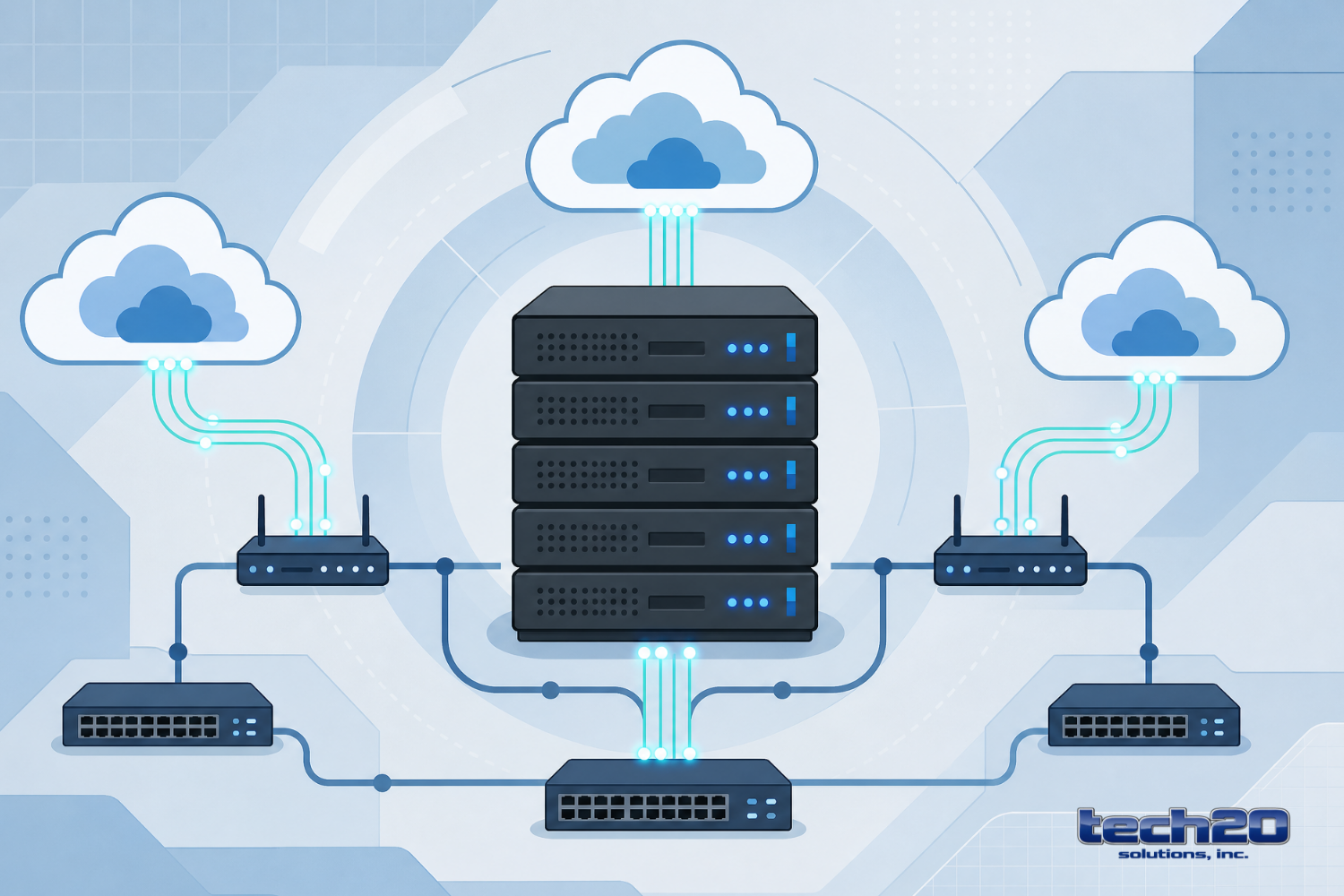
Unexpected outages expose a significant vulnerability in a company's infrastructure, often leading to unplanned costs and operational delays. Business technology planning, which involves creating an IT roadmap, is essential for aligning technology initiatives with business goals. This ensures that companies invest in solutions that support their growth while mitigating risks. Cloud solutions play a crucial role in this context by offering scalable and reliable technology infrastructure that adapts to a business's changing needs.
Many businesses struggle with technology planning because they don't fully consider how each component fits into their broader operational strategy. Without an IT roadmap, companies may make ad hoc decisions that lead to inconsistent technological environments and inefficiencies. This often results in fragmented operations, increased maintenance costs, and diminished employee productivity.
To address these challenges, businesses should begin by evaluating their goals and existing infrastructure. Tech20 Solutions advises using a vendor-agnostic approach to select technology solutions that focus on achieving specific business outcomes. This ensures a cohesive technology strategy that supports growth and improves operational efficiency.
Quick Answer
An IT roadmap helps businesses align technology investments with long-term goals, reduce risks associated with unexpected outages, and support sustainable growth. It provides clarity on how each technology component supports overall business operations.
Key Takeaways
- Align technology investments with business objectives for sustained growth.
- Create an IT roadmap to reduce risks and avoid unexpected outages.
- Evaluate existing infrastructure before making technology decisions.
- Choose technology solutions that scale with business needs.
- Leverage vendor-agnostic advice for unbiased decision-making.
Quick Business Snapshot
| Category | Details |
|---|---|
| Best For | Growing companies |
| Business Size | Small to medium |
| Primary Benefit | Operational efficiency |
| Implementation Complexity | Moderate |
| Tech20 Service Fit | Cloud Solutions |
| Typical Environment | Cloud-based |
Who Should Consider This Solution
- Companies opening another location. As these businesses expand, a clear IT roadmap ensures consistent technology deployment that supports growth.
- Businesses relying on cloud applications. An IT roadmap helps to optimize cloud infrastructure for better performance and cost management.
- Teams supporting remote employees. With clear planning, businesses can implement seamless virtual work environments.
- Organizations handling sensitive client data. A well-defined technology strategy boosts security and compliance.
- Companies expanding their network infrastructure. An IT roadmap provides a blueprint for scalable network solutions.
Why This Matters for Your Business
Investing in a structured technology roadmap facilitates strategic growth by ensuring that all technology investments are aligned with business goals. Companies often find themselves stuck reacting to immediate challenges without an overarching plan, leading to inefficiencies and wasted resources. A proactive IT roadmap not only guides future technology investments but also helps prevent costly disruptions by identifying potential issues before they arise.
Where Businesses Usually Get Stuck
Businesses frequently encounter obstacles when they attempt to implement technology solutions that lack strategic alignment with their operational goals. Without a comprehensive roadmap, organizations may face fragmented IT ecosystems, resulting in incompatible technologies and increased support demands. To avoid these pitfalls, it’s crucial to adopt a planning-first approach, ensuring all components of the IT environment operate in harmony and investment delivers a clear return.
What to Consider Before Making a Decision
Before embarking on new technology investments, companies need to assess their current infrastructure and align upcoming projects with overarching business objectives. This involves evaluating existing hardware, software, and cloud-based solutions to determine their efficacy and potential for scalability. Making informed decisions based on a detailed technology roadmap ensures investments are cost-effective and promote growth while addressing security and compliance needs.
Planning for Long-Term Growth
Establishing an IT roadmap is not just about addressing immediate technology needs but also planning for future demands. This forward-thinking approach allows businesses to scale efficiently and avoid disruptions associated with reactive IT management. Effective planning involves regular assessments and updates to the technology strategy to accommodate changes in the business environment, ensuring infrastructure remains aligned and adaptable over time.
Building a Stronger Foundation
Creating a robust IT infrastructure begins with a well-thought-out roadmap that considers both existing and future business requirements. A structured plan allows for incremental technology upgrades, minimizing downtime and avoiding the dreaded "rip-and-replace" scenarios. Fostering a stable IT foundation enhances the ability to adopt innovative solutions as they emerge while maintaining control over costs and implementation complexities.
A Practical Example
A digital marketing agency expanding its operations to include an additional remote office faces a challenge in seamlessly integrating technology across locations to ensure continuity in client service and collaboration. By leveraging Cloud Solutions, they can establish a unified communication and data management platform that adapts to their expansion needs while aligning with their growth strategy, thereby ensuring a smooth scale-up process.
Practical Checklist
- Conduct a comprehensive technology audit to benchmark current systems.
- Define clear business objectives to guide technology investments.
- Develop a timeline and budget for technology upgrades and implementations.
- Select scalable solutions that align with operational growth plans.
- Utilize vendor-agnostic consulting to evaluate options objectively.
- Regularly assess the IT roadmap to accommodate business changes.
- Implement robust cybersecurity measures that integrate into the roadmap.
- Train staff to ensure seamless adoption of new technologies.
What Tech20 Solutions Recommends
Begin with a thorough evaluation of business goals and existing infrastructure to identify areas needing improvement. This open assessment provides insights into what technology updates should be prioritized. Tech20 Solutions advocates for a vendor-agnostic recommendation approach that aligns technology choices with a business's strategic direction, ensuring flexibility and efficiency that sustain long-term growth. Gaining an understanding of the business needs first ensures that each technological decision supports progression.
Common Mistakes to Avoid
- Skipping detailed audits. Regular technology audits uncover inefficiencies and obsolete solutions that hinder growth.
- Ad-hoc solutions without planning. Immediate fixes can lead to inconsistencies; adopt a roadmap approach instead.
- Underestimating cybersecurity. Implementing robust security from the start prevents vulnerabilities as scaling occurs.
- Overcommitting to specific vendors. Flexible, vendor-agnostic approaches prevent being locked into suboptimal solutions.
- Ignoring staff training. Without proper training, new technologies may not be fully utilized, wasting investments.
Frequently Asked Questions
Why is a technology roadmap important?
A technology roadmap aligns IT investments with business objectives, reduces the risks of disruptions, and ensures scalability as the company grows. It helps businesses plan future technology needs proactively.
How often should a technology roadmap be updated?
It is advisable to review and update your technology roadmap annually, or whenever significant changes occur in business objectives or operational environments. Keeping it updated ensures alignment with evolving needs.
What role does cloud technology play in a technology roadmap?
Cloud technology provides scalable and adaptable solutions that support a business's growth and operational needs. It enables seamless integration and deployment of technology solutions across dispersed locations.
Can small businesses benefit from technology planning?
Yes, small businesses can significantly benefit from structured technology planning as it ensures investments are aligned with growth plans and budgets, minimizing inefficiencies and optimizing operations.
What if my current technology is outdated?
Tech20 Solutions recommends starting with an assessment to identify obsolete components and explore scalable alternatives. Transitioning to modern solutions may improve efficiency and support future growth.
A Balanced Approach to Growth
Effective technology planning equips businesses with the tools to support growth without unnecessary complications. By investing in a strategic IT roadmap, companies can navigate technological changes confidently, ensuring each decision contributes to their overarching objectives. This considered approach is a key part of sustainable business growth.
Why Trust Tech20 Solutions
- Nationwide business technology consulting with a focus on practical solutions.
- Vendor-agnostic advice tailored to your unique business needs.
- Extensive expertise in Cloud Solutions and Cybersecurity.
- Comprehensive Smart Hands services for on-site technical support.
- Guided by Michael Venti's extensive telecommunications experience.
Next Steps for Technology Planning Success
Tech20 Solutions focuses on helping each business create a roadmap that aligns with its goals, infrastructure, and budget. This involves providing vendor-neutral advice and identifying solutions that offer real value over time. To find out more about how tailored cloud solutions can enhance your growth strategy, explore cloud-focused planning with Tech20.